Roofing and Contracting Fundamentals: Important Aspects to Evaluate in a Quality Service Provider
In choosing a roofing and contracting service provider, various key factors need consideration. Experience, credentials, and communication are critical for securing a successful project. Prospective customers must also evaluate the ramifications of choosing an unreliable contractor. Understanding these essentials can substantially impact the outcome. What particular criteria should one focus on to avoid common problems? The answers may disclose more than imagined.
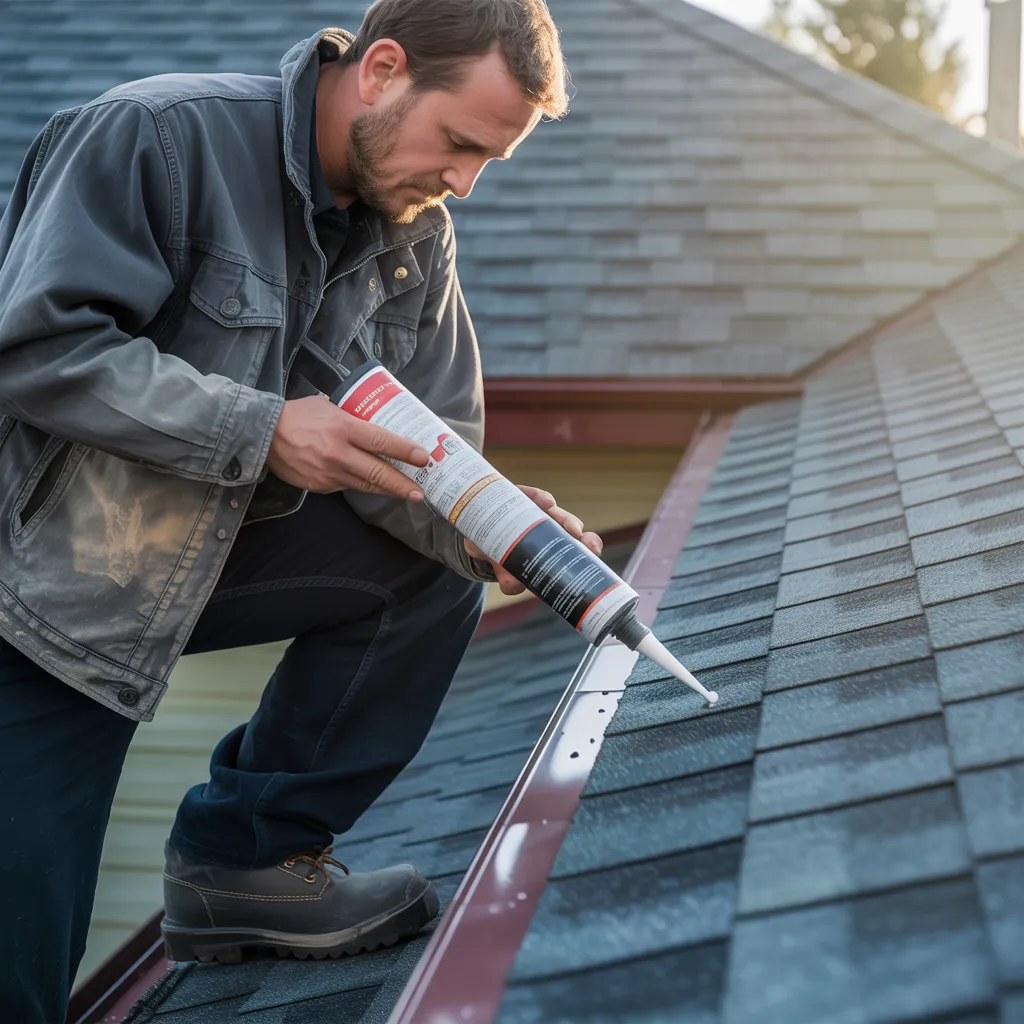
Typical Problems With Unreliable Contractors
When home owners partner with unreliable contractors, they typically encounter a range of common issues that can bring about stress and monetary pressure. Postponed project deadlines regularly burden these engagements, causing property owners to wait for essential repairs or installations. Sporadic communication additionally aggravates the predicament, as homeowners struggle to obtain progress reports or solutions. Furthermore, subpar workmanship can result in repeated issues, requiring high-priced maintenance that compromise the initial investment. Vague pricing models may also emerge, causing surprising charges that stress financial plans. Additionally, untrustworthy contractors could fail to obtain required permits, causing legal complications that complicate the project. Finally, the nonexistence of guarantees or warranties makes property owners susceptible, as they have limited solutions for any later complications. These problems emphasize the significance of vetting contractors thoroughly to ensure a trouble-free and pleasing home improvement project.
Why Professional Credentials Are Important: Checking Insurance and Licenses
Confirming a contractor's credentials is essential for homeowners pursuing quality and reliability in their projects. A valid license demonstrates that the contractor has fulfilled local regulations and possesses the necessary knowledge and skills to perform roofing work. Homeowners should confirm that the license is current and applicable to the particular type of work required.
Additionally, insurance coverage safeguards both the contractor and homeowner from potential liabilities. A trustworthy contractor should carry general liability insurance and workers' compensation. This coverage guarantees that property damage or injuries happening on the job site do not fall back on the homeowner.
Not verifying licenses and insurance could cause substantial risks, including monetary losses and legal issues. Thus, homeowners should prioritize this step to secure a trustworthy service provider, ultimately providing a better and more satisfactory project outcome.
Experience Matters: Assessing a Contractor's History
What methods can homeowners use to confirm they pick a trustworthy contractor? One reliable technique is to review a contractor's work history. Professional background holds a vital position in a contractor's capability to execute excellent work. Property owners should pursue contractors who demonstrate significant industry tenure, optimally with numerous completed jobs matching their requirements. Reviewing feedback from former clients can reveal information about the contractor's trustworthiness and craftsmanship.
In addition, evaluating online feedback and testimonials can help measure overall client satisfaction. A contractor with a established history of successful projects is more capable of address unexpected challenges efficiently and meet deadlines. Homeowners should also ask about the age of the contractor's business; well-established companies often have polished processes and solid relationships with suppliers. Finally, a thorough evaluation of a contractor's experience can greatly increase the probability of a successful roofing or contracting project.
The Significance of Clear Communication
Straightforward communication is critical in construction and roofing endeavors. It assures that clients receive consistent updates throughout the project, fostering trust and understanding. Moreover, an open dialogue facilitates concerns to be addressed immediately, improving overall project satisfaction.
Clear Updates Throughout Process
Effective communication stands as a cornerstone in the roofing and contracting industry, where multiple stakeholders are involved. Clear updates throughout the process cultivate trust and guarantee that all parties remain informed. A reputable service provider emphasizes regular communication, offering insights into project timelines, progress, and potential challenges. This proactive approach reduces misunderstandings and enables timely adjustments as needed. By keeping clients informed, contractors exhibit accountability and professionalism, strengthening their commitment to quality service. Moreover, transparent updates enable clients to prepare for any disruptions, ensuring a smoother workflow. In summary, maintaining open lines of communication is essential for a successful project, driving higher client satisfaction and a stronger reputation in the industry.
Transparent Communication for Concerns
Open dialogue is essential for dealing with concerns that may surface during roofing and contracting projects. Clients should feel encouraged to communicate their questions and apprehensions at any stage of the process. A quality service provider focuses on transparent communication, guaranteeing that all parties have a common understanding of project expectations, timelines, and potential challenges. This openness cultivates trust and minimizes misunderstandings, ultimately producing a smoother workflow. Additionally, regular check-ins and feedback loops permit contractors to address any changing needs or preferences. By building a culture of open dialogue, both clients and contractors can work cooperatively, enhancing the project's overall success and satisfaction for all involved.
What to Anticipate From Quality Customer Service
Superior customer support in roofing and contracting hinges on effective communication methods and swift reply schedules. Clients deserve timely notifications and accessible points of contact throughout the project. This level of service fosters trust but also confirms that any concerns are resolved quickly.
Effective Communication Networks
Strong communication channels are critical for guaranteeing a smooth customer experience in roofing and contracting services. Quality service providers prioritize clear and open lines of communication, permitting clients to convey their needs, concerns, and questions. This includes creating preferred methods of contact, whether through phone, email, or in-person meetings. Regular updates on project progress cultivate trust and transparency, preventing misunderstandings. In addition, effective communication promotes collaboration, permitting both parties to address any issues immediately. A responsive provider will listen closely and adapt to the client's feedback, enhancing the relationship. In summary, clear communication channels are not just a courtesy; they are a critical aspect of delivering quality service in the roofing and contracting industry.
Prompt Response Times
When property owners seek roofing and contracting services, they look for timely responses that showcase a contractor's commitment to customer satisfaction. Quality service providers know that efficiency is critical, especially in emergencies such as leaks or storm damage. A swift acknowledgment of inquiries not only reassures clients but also develops trust.
Service providers ought to reply within a couple of hours, delivering clear timelines for further communication and project updates. Delays can result in frustration and may motivate clients to seek alternatives. Furthermore, timely responses exhibit professionalism and an understanding of clients' needs, establishing a positive working relationship. In summary, prompt communication is a vital marker of quality in the roofing and contracting industry.
Grasping Estimates and Quotes: Pricing Transparency
Understanding pricing quotes and estimates is crucial for homeowners looking for transparency in roofing contractor services. A clear and detailed estimate specifies the work scope, materials, labor costs, and any additional fees, allowing homeowners to make informed decisions. Service providers must be willing to break down each component, guaranteeing that clients comprehend exactly what their money is going toward.
Property owners should exercise caution with estimates that appear substantially lower than competitors, as these may indicate relevant resource hidden costs or inferior materials. It is recommended to request multiple quotes to compare pricing and services offered. Moreover, understanding payment terms and project timelines is essential to avoid potential misunderstandings. By prioritizing transparent pricing, homeowners can build trust with their chosen contractor and secure a smooth project experience. Clear communication regarding quotes and estimates ultimately produces greater satisfaction and fewer disputes throughout the roofing or contracting process.
Ways to Use Reviews and References Effectively
How might homeowners successfully utilize reviews and references when selecting a roofing contractor? They should start by examining online platforms where former clients share their experiences. Websites like Google, Yelp, and Angie's List deliver valuable insights into a contractor's reliability and quality of work. Homeowners should consider both positive and negative reviews, as they give a comprehensive overview.
Furthermore, asking for references from contractors can generate valuable information. Talking to previous clients enables homeowners to question the contractor's professionalism, adherence to timelines, and overall satisfaction.
It's important to confirm that the reviews are current and pertinent, as obsolete feedback may not reflect the contractor's current performance. By analyzing this information, homeowners can make knowledgeable decisions, ensuring they select a trustworthy roofing contractor who addresses their particular requirements and expectations.
Popular Questions
How Long Will the Roofing Project Typically Take to Complete?
Usually, roofing jobs can take approximately a few days to several weeks to conclude, based on the work's magnitude, complexity, weather situations, and the availability of materials and labor. Project durations differ greatly.
What Materials Do You Recommend for My Specific Roofing Needs?
The roofing specialist recommended quality materials including asphalt shingles for cost-effectiveness, metal for longevity, and clay tiles for visual appeal. Each option satisfied the homeowner's specific needs, guaranteeing ideal performance and energy efficiency in varying weather conditions.
Does Your Business Provide Warranty Protection on Both Workmanship and Materials?
Certainly, professional contractors commonly extend warranties for both craftsmanship and materials. This coverage protects homeowners against potential issues, guaranteeing longevity and quality in roofing endeavors. It's recommended to verify the details prior to completing contracts.
How Do You Deal with Unforeseen Issues During the Project?
They manage unexpected issues through open communication, assessing the problem, and delivering solutions. Their approach emphasizes transparency, ensuring clients are kept aware of changes in scope, timelines, and costs while preserving project integrity and quality standards.
Is It Possible to See Instances of Previous Projects Related to Mine?
Quality service providers typically showcase portfolios featuring completed projects aligned with the client's needs. Reviewing these examples empowers potential clients to determine craftsmanship, style, and suitability, securing a well-informed decision before starting the project.